Healthiest Kitten Food: What to Choose and Why
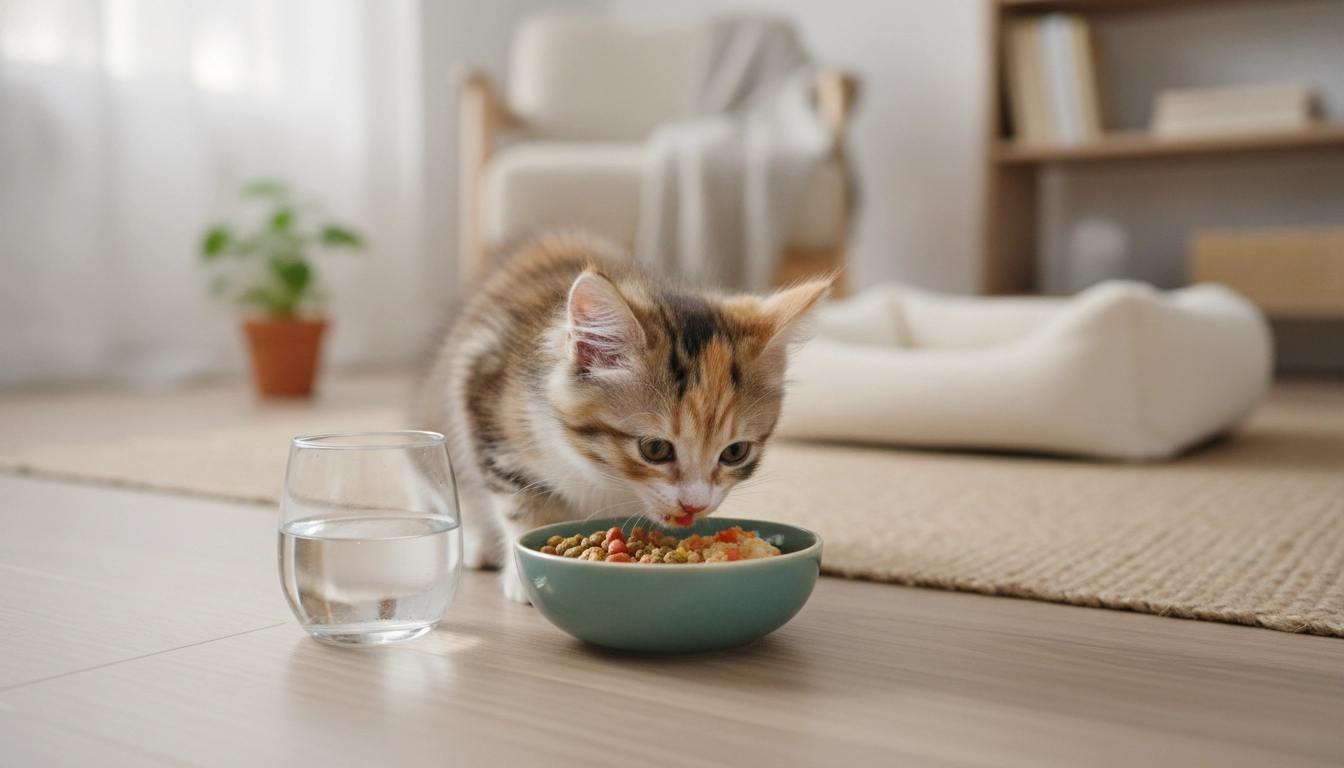
What is the healthiest food to feed a kitten?
The healthiest food for a kitten is a complete-and-balanced diet specifically formulated for growth, with high-quality animal protein, the right fat level for energy, and essential nutrients like taurine, DHA, calcium, and phosphorus. Kittens grow fast, so their food needs to be more calorie-dense and nutrient-rich than adult cat food.
Look for a “kitten” formula that’s complete and balanced
Choose food labeled for “growth” or “all life stages” from a reputable brand that meets AAFCO nutritional standards. This helps ensure the recipe includes the correct vitamin and mineral levels to support developing bones, muscles, eyes, and brain.
Wet, dry, or a combination?
Many kittens do well on a mix of wet and dry food. Wet food boosts hydration and can be easier to chew, while dry food is convenient and can help keep feeding routines consistent. If your kitten is picky or small, wet food’s aroma and texture can encourage better intake—especially during the weaning phase.
Prioritize protein, healthy fats, and key nutrients
Healthy kitten foods typically list named animal proteins (like chicken, turkey, or salmon) near the top of the ingredient list. Healthy fats support energy and coat condition, while taurine is critical for heart and eye health. DHA (often from fish oil) supports brain and vision development.
Foods to avoid for everyday feeding
Avoid cow’s milk (many kittens are lactose intolerant), heavily seasoned human foods, and diets labeled “adult maintenance” only. Treats should stay minimal so they don’t displace balanced nutrition.
For a deeper breakdown of what to buy and how to feed, visit the full guide here: https://iconicfindhub.shop/what-is-the-healthiest-food-to-feed-a-kitten/.
FAQ
How often should I feed a kitten each day?
Most kittens do best with 3–4 small meals daily until about 6 months old, then you can often transition toward 2–3 meals. Follow the feeding guide on the label and adjust based on healthy weight gain and your veterinarian’s guidance.











Leave a comment